
Summary:
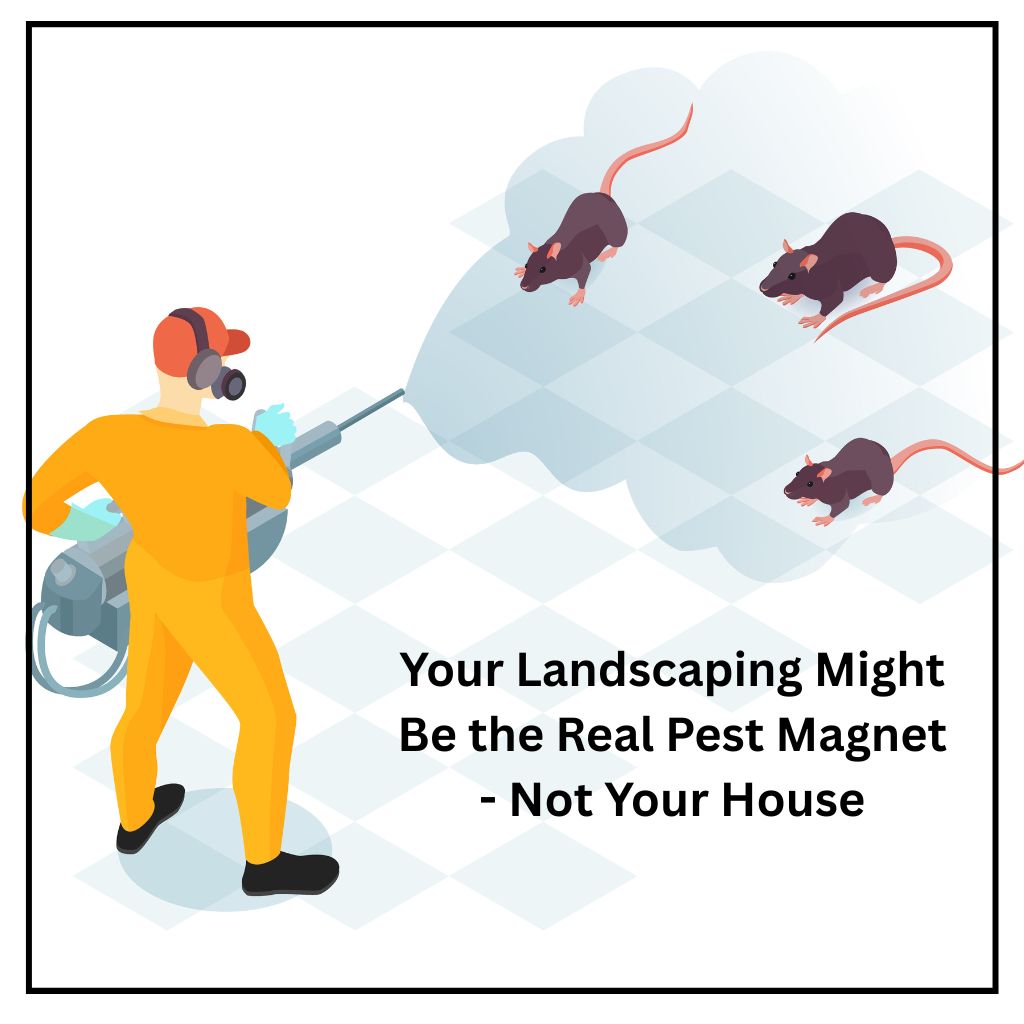
Dense shrubs, standing water, and plant debris create perfect hiding spots and food sources for pests. While you’re busy checking your home’s interior for problems, rodents, ants, and mosquitoes are setting up camp just outside your door. Smart landscaping choices- and guidance from a trusted Cupertino pest control team- can make all the difference in keeping these intruders away from your property.
The Real Battle Zone: Your Home’s Exterior Environment
Your home is spotless. You’ve sealed every crack, cleaned every corner, and still find yourself battling pests. Here’s the truth most homeowners miss: the problem isn’t inside your walls. It’s right outside your front door.
The Green Space That’s Actually a Pest Haven
Most people think about pest prevention as an indoor job, but any Cupertino pest control expert will tell you the real trouble often starts outside. Homeowners focus on sealing windows and cleaning kitchens, while their yard is practically advertising “Free Room and Board” to every pest in the neighborhood.
Overgrown bushes touching your foundation act like highways for insects and rodents. Thick ground cover gives them shade and protection from predators. That pile of leaves you’ve been meaning to rake? It’s a five-star hotel for spiders and beetles.
Moisture is another major draw. Garden beds that stay wet too long, clogged gutters dripping onto soil, and low spots where water pools all create ideal conditions. Mosquitoes need just a bottle cap’s worth of water to breed. Termites are drawn to damp wood and soil. Even ants will build colonies near consistent water sources.
Plants That Pests Can’t Resist
Not all greenery behaves the same when it comes to attracting unwanted guests- fruit trees drop food that lures rodents, flowering plants pull in stinging insects, and dense ground covers become hidden nesting zones. Even mulch, which most homeowners never suspect, can quietly turn your yard into a pest-friendly environment when placed too close to your home.
• Fallen fruit from trees becomes an easy feast for rats, raccoons, and insects.
• Nectar-producing flowers attract bees, wasps, and other flying pests.
• Dense ivy, vines, and ground covers create dark, protected nesting spots for mice and even snakes.
• Organic mulch decomposes over time, drawing insects that feed on rotting material.
• Termites, carpenter ants, and similar pests thrive in mulch-heavy areas.
• Mulch piled against the siding creates a direct bridge for pests to reach your home’s foundation or walls.
• The goal isn’t to eliminate mulch but to use it wisely and maintain proper spacing from all structures.
How Rodents Use Your Yard as Base Camp
Rats and mice don’t usually live inside your home. They live outside and just visit for food and warmth. Your landscaping gives them everything they need to thrive right outside. Woodpiles stacked against the house provide shelter. Bird feeders drop seeds that rodents love. Compost bins that aren’t properly secured become all-you-can-eat buffets. Gardens with vegetables and berries might as well be grocery stores.
These creatures are smart. They’ll create burrows under shrubs, inside dense plantings, or beneath decks and sheds. From these safe spots, they make quick trips into your home through small openings. You might see one inside and think you have an indoor problem. The real issue is the outdoor habitat you’ve unknowingly created.
For specialized help in dealing with these clever invaders, Stanford rodent control services can assess your property and identify the outdoor factors attracting them.
Simple Landscape Changes That Make a Big Difference
Small adjustments to your outdoor space can dramatically reduce pest activity. Start by trimming bushes and tree branches away from your house, keeping at least a two-foot gap. This eliminates easy access routes. Next, fix drainage problems. Make sure water flows away from your foundation. Clean gutters regularly and repair leaky outdoor faucets.
Remove debris promptly. Rake leaves, clear dead plant material, and don’t let grass clippings pile up. Store firewood at least 20 feet from your home and keep it elevated off the ground. For example, a simple rack prevents moisture buildup and makes the wood less attractive to pests.
In addition, consider replacing organic mulch with gravel or stone near your foundation. These materials don’t decompose and don’t provide food or shelter.
The Connection Between Landscaping and Indoor Infestations
Here’s what happens: pests establish themselves in your yard first. They build populations in the safety of overgrown areas. Once their numbers grow, they start exploring. Your home becomes the next logical target.
Ants march from garden beds into kitchens. Spiders move from woodpiles into garages. Mice use landscaping as cover to reach foundation cracks.
The cycle continues because the outdoor habitat keeps supporting new generations. You can treat indoor pests all you want, but if the yard keeps producing them, you’ll never get ahead. Breaking this cycle means addressing the root cause, the outdoor environment.
Why Your Outdoor Lighting Attracts More Than Admirers
Your landscape lights, highlighting the garden and the pathway fixtures, guiding guests to your door, are doing more than creating ambience- they’re quietly pulling in flying insects by the hundreds each night.
This surge of pests invites spiders, encourages breeding in warm bulb areas, and even helps insects slip indoors when lights sit near entry points. Here’s how it unfolds and what you can do:
• Bright outdoor lighting draws moths, beetles, mosquitoes, and other flying insects, creating nightly swarms.
• Spiders quickly take advantage, building webs near bulbs to catch the insects your lights attract.
• Traditional bulbs produce warmth, creating cozy gathering and breeding zones for bugs.
• Lights near doorways, windows, or the garage encourage insects to cluster- making it easier for them to enter the moment a door opens.
• Congregating insects also find gaps and cracks more easily when hovering around illuminated entry areas.
• Lighting often highlights dense shrubs and overgrown landscaping, making these already risky zones even more appealing to pests after dark.
Your outdoor lighting should enhance curb appeal- not act as a nightly invitation for insects and the pests that follow. With a few smart adjustments to bulb type, placement, timing, and getting help from Cupertino pest control experts, you can keep your home beautifully lit without turning it into a beacon for unwanted visitors.
Homeowner FAQs: Creating a Landscape That Doesn’t Attract Pests
Q1: Can certain plants actually repel pests naturally?
A1: Some herbs like lavender, rosemary, and mint can deter specific insects. However, they’re not foolproof solutions and work best as part of a comprehensive approach combining proper maintenance and professional guidance.
Q2: How often should I inspect my landscaping for pest problems?
A2: Monthly checks during warm months help catch issues early. Look for nesting sites, droppings, chewed plants, and areas with excessive moisture that might attract unwanted visitors to your property.
Q3: Does removing all plants near my house help with pest control?
A3: Complete removal isn’t necessary. Strategic spacing, proper plant selection, and regular maintenance work better. Creating a gravel barrier between plantings and your foundation provides effective protection without sacrificing aesthetics.
Q4: Are professional landscaping services worth it for pest prevention?
A4: Professional maintenance ensures consistent trimming, debris removal, and proper watering practices. These services complement pest control efforts by eliminating habitats and food sources that attract insects and rodents.
A Smarter, Whole-Property Pest Defense Approach
Your yard doesn’t have to be a pest magnet. We understand the connection between outdoor spaces and indoor problems. That’s why Cupertino pest control experts at Habitat Pest Control take a complete approach to protecting your property. We don’t just treat the pests you see inside.
We identify and address the outdoor conditions, bringing them to your home in the first place. Get in touch with us today and stop fighting the same pest battles over and over.