
Summary-
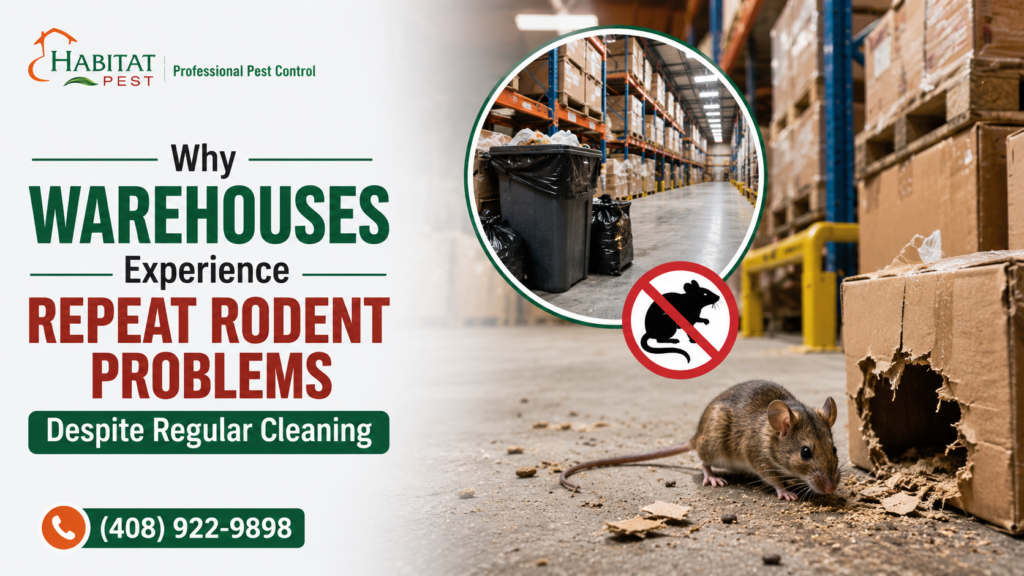
A clean warehouse does not always mean a rodent-free warehouse. Many facilities invest heavily in sanitation yet continue to face recurring infestations because rodents are driven by shelter, warmth, access points, and operational patterns that cleaning alone cannot address. Understanding these hidden factors helps businesses reduce risks and build stronger prevention strategies. Specialized Campbell rodent control services often focus on these overlooked issues rather than sanitation alone.
The Real Causes of Persistent Warehouse Infestations
Rodents cost businesses millions of dollars each year through damaged inventory, contaminated products, equipment failures, and operational disruptions. Warehouse managers often assume that regular cleaning should eliminate these problems. Unfortunately, rodents are highly adaptable and can survive in environments that appear spotless.
Industry reports from facility management and pest management organizations consistently show that sanitation is only one part of rodent prevention. Many repeat infestations stem from structural weaknesses, storage practices, and environmental conditions that remain unchanged for years.
Clean Floors Do Not Remove Hidden Shelter
A warehouse may have spotless aisles and organized workspaces, yet rodents can still find ideal nesting areas. Large facilities contain countless hidden spaces that are rarely disturbed. Rodents seek quiet locations where they can breed and avoid human activity.
Common hiding spots include:
• Pallet stacks are stored for long periods
• Voids behind wall panels
• Utility rooms
• Ceiling spaces
• Electrical cabinets
• Loading dock structures
Research from commercial pest management studies shows that rodents prioritize shelter over food during initial infestations. A facility can maintain excellent sanitation standards and still provide enough nesting opportunities to support a growing population.
Inventory Creates Perfect Rodent Highways
Warehouse inventory constantly changes. New products arrive daily while older stock moves out. This movement creates pathways and protected areas that rodents use to travel. Boxes, pallets, shrink wrap, and storage racks provide cover. Rodents rarely move across open spaces when safer routes exist.
A surprising issue appears in warehouses that store products for extended periods. Long-term storage zones receive less inspection, making them ideal nesting locations. Even facilities using modern inventory management systems can experience rodent activity when storage layouts unintentionally create protected corridors.
Loading Docks Never Truly Close
Loading docks are among the most vulnerable parts of any warehouse. Doors open repeatedly throughout the day. Trucks arrive from different locations carrying products, packaging materials, and occasionally pests.
Small gaps around dock doors create easy access points. A mouse can enter through an opening smaller than a coin. Rats require only slightly larger spaces.
Problems often include:
• Damaged dock seals
• Worn weather stripping
• Cracks near door frames
• Gaps around utility penetrations
Cleaning crews may maintain the area perfectly, but rodents only need a few seconds to enter through these openings.
Outdoor Conditions Drive Indoor Activity
Rodents rarely begin life inside a warehouse. Most infestations originate outdoors. Changes in weather, construction activity, landscaping modifications, and nearby development can push rodents toward commercial buildings.
Heavy rain often floods burrows. Dry conditions reduce outdoor food sources. Temperature changes encourage rodents to seek stable shelter. Many facility managers focus solely on indoor sanitation while ignoring exterior conditions. Effective prevention requires attention to both environments.
This is one reason commercial property owners often combine sanitation programs with specialised Cupertino pest control strategies that evaluate the entire property rather than only interior spaces.
Employee Areas Can Become Unexpected Food Sources
Warehouse operations usually include break rooms, vending areas, lockers, and shared eating spaces. Food crumbs, beverage spills, and improperly stored snacks provide opportunities for rodents. A facility may maintain strict cleaning standards in storage zones while overlooking employee areas.
Several inspections conducted by commercial pest professionals have found that infestations frequently begin near break rooms rather than inventory sections. Minor food residue can support rodents for surprisingly long periods.
Rodents Adapt Faster Than Most People Expect
Rodents possess remarkable survival instincts. Studies have shown that rats can learn new routes, avoid threats, and adapt to changing environments. Mice display similar behaviors in commercial settings. This adaptability creates challenges because rodents quickly identify safe nesting locations and travel routes.
Several factors help them survive:
• Excellent memory
• Strong climbing abilities
• Rapid reproduction rates
• Ability to squeeze through tiny openings
• Nocturnal activity patterns
Cleaning routines generally occur during working hours. Rodents simply adjust their movements to avoid human activity.
Structural Issues Often Go Undetected
Many warehouses operate for decades. Small structural defects accumulate over time. Tiny cracks and openings may seem insignificant, but they can become major entry points.
Problem areas frequently include:
• Roof penetrations
• Expansion joints
• Utility lines
• Foundation cracks
• Vent openings
• Damaged wall sections
A facility maintenance audit conducted by a commercial pest management association found that over 70% of inspected warehouses contained unnoticed entry points capable of supporting rodent activity. Sanitation cannot solve a structural problem.
Shipping Materials Create Hidden Risks
Cardboard plays a major role in warehouse operations. Rodents are naturally attracted to cardboard because it provides insulation and nesting material. Shipping containers arriving from various suppliers may occasionally carry signs of pest activity.
Large volumes of incoming materials increase exposure risks. Warehouse teams often inspect products for damage, but may overlook subtle indicators such as gnaw marks, droppings, or nesting material.
This challenge becomes more significant during peak shipping seasons when inventory turnover accelerates.
Waste Areas Influence Indoor Infestations
Trash collection zones deserve close attention. Dumpsters and waste compactors attract rodents due to food residue and shelter opportunities. Activity around these locations frequently spreads toward nearby buildings.
Common contributing factors include:
• Overflowing dumpsters
• Infrequent waste removal
• Poor lid maintenance
• Vegetation around waste areas
Rodents can travel considerable distances between nesting and feeding sites. An exterior waste issue can eventually become an indoor infestation.
The Reproduction Problem: Many Facilities Underestimate
Rodents reproduce at astonishing rates. One breeding pair can produce dozens of offspring within a relatively short period under favorable conditions. A warehouse may eliminate a portion of the population while leaving hidden nests untouched. Remaining rodents continue reproducing, creating the appearance of a recurring infestation.
Population growth often outpaces detection efforts. This explains why many facilities repeatedly experience activity despite ongoing cleaning and maintenance programs.
Technology Can Create New Harborage Areas
Modern warehouses contain extensive electrical infrastructure. Automation systems, conveyor controls, charging stations, and server rooms generate warmth that rodents find attractive. Electrical spaces often receive limited daily traffic, making them appealing nesting areas.
Rodent activity near wiring creates additional concerns:
• Equipment downtime
• Fire hazards
• Operational interruptions
• Expensive repairs
Cleanliness alone does not remove these attractive environmental conditions.
Why Monitoring Matters More Than Occasional Inspections
Many facilities rely on periodic inspections after signs of activity appear. Unfortunately, rodents often establish significant populations before visible evidence emerges. Continuous monitoring provides stronger results because it identifies trends before infestations become severe.
Successful programs typically involve:
• Routine inspections
• Entry point assessments
• Activity tracking
• Structural reviews
• Exterior monitoring
Businesses that adopt proactive monitoring generally experience fewer recurring issues than facilities that react only after problems become obvious. A specialized Campbell rodent control program often emphasizes monitoring data because it reveals patterns that standard cleaning procedures cannot detect.
Quick Answers for Warehouse Managers
Q1. Why do rodents return after a warehouse has been cleaned?
A1. Cleaning removes food sources but often leaves entry points, nesting areas, and structural vulnerabilities unchanged. Rodents continue returning if shelter and access remain available.
Q2. What attracts rodents to warehouses the most?
A2. Shelter, warmth, protection from predators, and easy movement routes attract rodents more than food alone.
Q3. Can rodents enter through small openings?
A3. Yes. Mice can squeeze through extremely small gaps, making minor structural defects significant risk factors.
Q4. Which warehouse areas face the highest rodent risk?
A4. Loading docks, storage zones, utility rooms, break areas, waste collection sites, and ceiling voids commonly experience higher activity.
Q5. Does cardboard attract rodents?
A5. Yes. Cardboard provides nesting material and insulation, making it attractive for mice and rats.
Q6. How often should warehouses be inspected for rodents?
A6. Monthly inspections are common, though high-volume facilities may benefit from more frequent monitoring.
Q7. Can rodents damage warehouse equipment?
A7. Yes. Rodents frequently chew wiring, insulation, packaging materials, and equipment components.
Q8. What is the biggest mistake warehouses make in rodent prevention?
A8. Many facilities focus entirely on sanitation while ignoring structural gaps, exterior conditions, and monitoring programs.
Protect the Building, Not Just the Floors
Clean warehouses are important, but sanitation alone rarely solves recurring rodent issues. Lasting results come from understanding how rodents enter, hide, travel, and reproduce inside complex commercial environments.
Habitat Pest Control helps businesses identify the underlying causes behind repeat infestations rather than treating symptoms alone. Our team combines inspection, exclusion, monitoring, and targeted treatment strategies to reduce risk over the long term. Our reliable Cupertino pest control solutions address the entire facility, not just the areas that appear dirty.