
Summary:
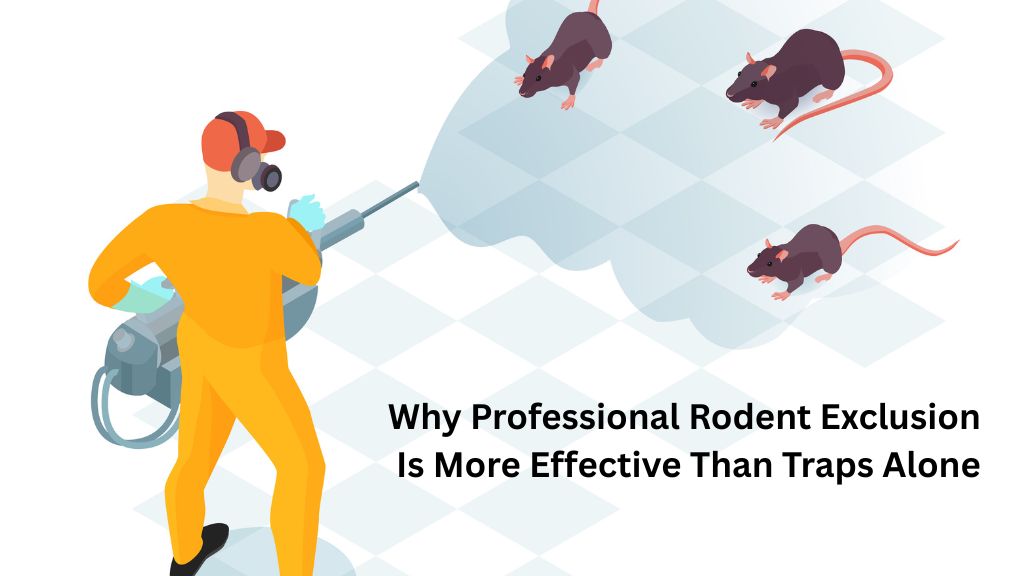
Homeowners searching for reliable Campbell pest control solutions often try traps first, hoping for a quick fix. Traps may remove a few rodents, but they rarely solve the root problem. Campbell rodent control is built around professional exclusion blocks entry points, protects insulation, and prevents repeat infestations. Long-term protection starts by sealing access, not setting bait.
Small Rodent Problem Today, Major Infestation Tomorrow
Rodents multiply fast and adapt even faster. A single pair of mice can grow into a full infestation in a short time. Many homeowners call for Campbell pest control after traps fail again and again. The real issue is not catching rodents; it is stopping them from getting inside in the first place.
Why Traps Only Offer Temporary Relief
Traps focus on the rodent you see. They do not address the small gaps along the roofline or cracks near the foundation. Next, new rodents follow the same scent trails and return to the same nesting spots. The cycle repeats.
Rodents leave behind pheromones that attract others. For example, a mouse caught in the attic may have already created a nesting site. That scent remains and invites new activity. Traps cannot remove those signals.
Homeowners often feel relief after catching a few rodents. In reality, the colony may still live inside walls. Trapping reduces numbers but does not solve the entry problem.
The Core of Professional Rodent Exclusion
Professional exclusion works differently. Technicians inspect the property from top to bottom. They search for access points around vents, utility lines, crawl spaces, and roof edges.
After inspection, they seal gaps using durable materials such as steel mesh and rodent-resistant sealants. In addition, damaged vents and loose flashing get reinforced. Rodents lose access to food and shelter.
True Campbell rodent control focuses on prevention first. Blocking entry changes the entire outcome. Rodents cannot return once their pathways disappear.
Hidden Damage Rodents Leave Behind
Rodents chew constantly to control tooth growth. Electrical wires become easy targets. Fire hazards increase when exposed wiring sparks inside walls.
Insulation also suffers damage. Contaminated insulation traps odor and bacteria. Air quality drops, and allergy symptoms rise.
Structural damage adds another layer of risk. Wooden beams, drywall, and stored items get shredded for nesting. Repair costs grow quickly when the infestation lasts for months.
Common Entry Points Around Homes
Rodents squeeze through openings as small as a coin. Many access points go unnoticed for years. Here are typical problem areas:
• Gaps around garage doors
• Cracked foundation lines
• Roof return corners
• Dryer vent openings
• Utility pipe gaps
Sealing these spots makes a big difference. Professional teams know exactly where to look.
Why Exclusion Outperforms Repeated Trapping
Exclusion changes the strategy from reactive to proactive. Instead of chasing rodents one by one, it blocks the entire colony from entering the structure. Traps deal with the symptom. Sealing entry points removes the source of the problem. Once gaps, vents, and foundation cracks are secured, rodents lose access to food and shelter inside.
Next, sanitation guidance helps reduce attractants around the property. Simple changes like securing trash bins, trimming vegetation, and storing pet food in sealed containers improve results.
In addition, attic inspections confirm no nesting remains. Long-term savings follow prevention. Fewer repairs, lower health risks, and less stress make exclusion a smarter and more stable investment for property owners.
Health and Safety Considerations
Rodents carry bacteria and parasites that spread through droppings and urine. Contaminated surfaces in kitchens, pantries, and storage areas increase health risks. Children and pets face greater exposure because they spend more time close to floors and hidden corners. Even small infestations can affect indoor hygiene.
Airborne particles from dried droppings may spread during sweeping or vacuuming. That exposure can irritate lungs and trigger allergies. Professional teams use safe removal methods and protective equipment to control contamination. Proper sanitation reduces cross-contamination and improves indoor air quality. Peace of mind grows when the home feels secure again, and families rest easier without late-night scratching sounds.
Residential and Commercial Protection
Homes are not the only targets for rodent activity. Restaurants, offices, retail stores, and warehouses also face constant pressure. One visible rodent can damage customer trust and online reviews within hours. Clean environments support strong reputations and steady business growth.
Business owners rely on exclusion to protect inventory, equipment, and brand image. For example, sealing loading dock gaps and reinforcing storage room doors prevent rodents from entering supply areas.
Prevention protects daily operations and reduces unexpected shutdowns. Commercial rodent management plans often include routine inspections and structural assessments. Ongoing monitoring keeps buildings secure year-round and supports long-term operational stability.
The Financial Logic Behind Exclusion
Traps appear affordable at first. Over time, repeated purchases add up and still fail to solve the root issue. Many homeowners turn to Campbell rodent control services after realizing short-term fixes do not protect their property. Property repairs cost far more than prevention, especially once damage spreads behind walls and into attics.
Electrical repairs, insulation replacement, and structural fixes strain budgets. Insurance claims may increase premiums. Early exclusion avoids those setbacks. Property value also matters. Buyers notice signs of rodent damage during inspections. A sealed and protected home maintains a stronger resale appeal.
Rodent Prevention FAQs for Homeowners and Businesses
Q1: What makes professional rodent exclusion better than traps?
A1: Exclusion seals entry points and prevents rodents from entering. Traps only remove visible pests. Blocking access stops repeat infestations and reduces long-term repair costs.
Q2: How long does a rodent exclusion service last?
A2: Quality sealing materials can last for years. Regular inspections ensure no new gaps form. Proper maintenance keeps homes protected season after season.
Q3: Is exclusion part of Campbell pest control services?
A3: Yes, many providers include exclusion as a core strategy. It focuses on sealing structural gaps and reinforcing weak areas to prevent rodent access.
Q4: Can rodents return after trapping?
A4: Yes, new rodents often enter through the same openings. Traps remove a few pests, but entry points allow continuous access unless sealed properly.
Q5: What areas do technicians inspect during Campbell rodent control?
A5: Technicians check attics, crawl spaces, foundations, rooflines, vents, and utility penetrations. They look for gnaw marks, droppings, and structural gaps.
Q6: Does exclusion help improve indoor air quality?
A6: Yes, removing contaminated insulation and sealing entry points reduces droppings and odor buildup. Cleaner spaces support healthier indoor air.
Q7: How soon should homeowners act after hearing scratching sounds?
A7: Immediate action prevents colony growth. Early inspection limits nesting damage and reduces overall treatment costs.
Q8: Is rodent exclusion safe for pets and children?
A8: Professional exclusion relies on sealing and structural repairs, not harmful chemicals. This approach supports a safer environment for families.
Secure Your Home Before Rodents Return
Habitat Pest Control understands how stressful rodent activity can be. We focus on prevention through strong sealing methods and thorough inspections. Our team provides tailored solutions that protect homes and businesses across the area. Reliable Campbell rodent control starts with stopping entry points, not setting more traps. Contact us today and let us help you protect what matters most.