
Summary-
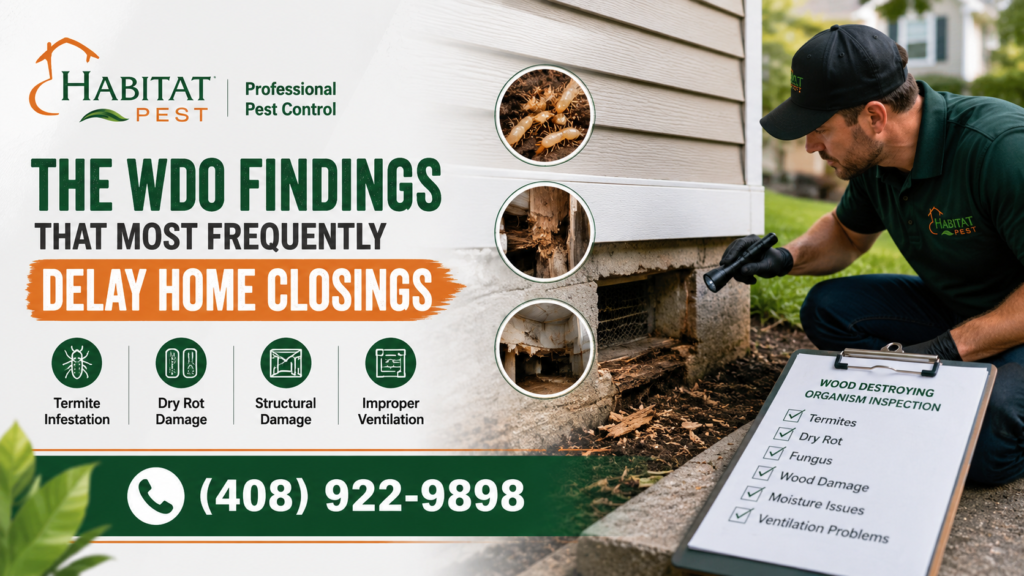
Termite tunnels, soft wood, and hidden fungus are the three things that scare buyers most right before closing day. A lender’s final sign-off can hinge on one clean report, and a single bad finding can push a closing date back by weeks. This long blog post walks through the exact issues that show up most often during a WDO Inspection in San Jose, and how sellers can stay ahead of them.
A Small Inspection Can Have a Big Impact on Your Home Sale
A wood-destroying organism report is one of the last hurdles before a home sale becomes official. It sounds like a small formality, but for thousands of sellers every year, it turns into the reason a closing gets pushed back.
Buyers, agents, and lenders all read this report closely, and any red flag on it can stall a deal that was otherwise smooth sailing. Knowing what inspectors actually flag, and why, helps sellers fix problems before they become deal breakers.
Active Termite Activity Tops The List
Live termites are the single most common reason a WDO report comes back with a problem. Inspectors look for mud tubes along foundations, discarded wings near windows, and hollow-sounding wood when tapped. Subterranean termites are especially common in older neighborhoods, where soil contact with wood framing gives them an easy path inside.
Once an inspector confirms active activity, the report gets flagged as a Section 1 item. Lenders treat this as a condition that must be cleared before funding, not a suggestion. Many sellers turn to an Eco-Friendly Termite Treatment Bay Area provider at this stage, since lenders simply want proof that the issue is resolved. That single finding can still add a week or more to closing while treatment gets arranged and a clearance letter gets issued.
Wood Decay Fungus Hides in Plain Sight
Termites get most of the attention, but fungus quietly causes just as many delays. Wood decay fungus, often called dry rot, breaks down wood fibers from the inside out. A board can look solid on the surface while crumbling underneath, and a coat of fresh paint makes it even harder to spot.
Inspectors use a probe to test for softness around windowsills, deck posts, and crawl space framing. If the wood gives way under light pressure, it gets written up immediately. Fungus thrives in damp, poorly ventilated spaces, so homes with shaded crawl spaces or leaky gutters tend to show up more often in these reports.
Old Damage Without Proof Of Repair
Past termite damage is not automatically a problem, but undocumented past damage almost always is. If an inspector finds old galleries or repaired wood with no paperwork showing treatment was completed, lenders often ask for a new inspection or a repair estimate anyway. Sellers who treated an infestation years ago but never kept the invoice or clearance letter end up scrambling to prove the work was done.
This is one of the more frustrating delays because the actual problem may already be solved. The missing piece is simply documentation, and tracking down old paperwork from a pest control company that may no longer exist can eat up several days during an already tight escrow window.
Moisture Problems Around The Foundation
Standing water, poor drainage, and irrigation lines sitting too close to a foundation all show up as conducive conditions on a WDO report. These findings do not always mean active infestation, but they signal a risk that lenders want addressed. A sprinkler head spraying directly onto siding, or mulch piled against a foundation wall, both count.
Inspectors note these issues because moisture is what invites termites and fungus in the first place. Fixing them is usually inexpensive and fast, regrading soil, moving sprinkler heads, or trimming mulch back from the foundation, but a seller who ignores the request can watch a minor note turn into a real hold-up.
Limited Access To Attics And Crawl Spaces
Sometimes the delay has nothing to do with damage and everything to do with access. If an attic hatch is painted shut or a crawl space entry is blocked by stored items, the inspector cannot complete a full visual check. That incomplete inspection often gets marked as inaccessible, and lenders may require a follow-up visit before they will approve funding.
Clearing these areas before the inspector arrives sounds obvious, but it is one of the most overlooked steps in preparing a home for sale. A blocked crawl space can turn a same-day report into a multi-day wait for a second appointment.
What Section 1 And Section 2 Items Actually Mean
Most WDO reports sort findings into two categories, and understanding the difference helps sellers know what actually needs immediate attention.
• Section 1 items describe current infestation or active damage, things like live termites, fungus, or wood that has already lost structural strength. These almost always need treatment before a lender will fund the loan.
• Section 2 items describe conditions that could lead to future problems, such as wood touching soil or poor ventilation. These are recommendations rather than requirements in most cases, though some lenders ask for them to be addressed anyway.
Sellers who get an inspection done early can sort out Section 1 items calmly, instead of negotiating repairs under pressure once a buyer is already in escrow.
How Sellers Can Avoid a Last-Minute Scramble
A pre-listing WDO inspection costs in San Jose very little compared to the cost of a delayed closing. Sellers who order one before putting a home on the market get a clear picture of what needs fixing and can budget for it ahead of time. This also gives buyers more confidence, since a clean report attached to the listing removes a major point of negotiation later.
Choosing an Eco-Friendly Termite Treatment Bay Area option matters here as well. Many homeowners now ask for low-toxicity treatment methods, especially when children, pets, or edible gardens are part of daily life around the property.
These treatments target termites effectively while keeping chemical exposure to a minimum, which matters to a growing number of buyers reading the disclosure paperwork.
Quick Answers About WDO Reports And Closing Delays
1. What does WDO stand for in a home inspection?
A1. WDO stands for wood-destroying organism, a category that includes termites, beetles, and decay fungi that damage structural wood in a home.
2. How long does a WDO inspection take?
A2. Most inspections take between thirty minutes and two hours, depending on the size of the home and how accessible the crawl space and attic are.
3. Does every home sale require a WDO inspection?
A3. Not always. Many lenders, especially for FHA and VA loans, require one, but conventional loans do not always make it mandatory in every state.
4. Can a seller refuse to fix Section 1 items?
A4. A seller can refuse, but most buyers and lenders will not move forward with funding until active infestation or decay is treated and cleared.
5. How long is a WDO report valid for?
A5. Most lenders accept a report that is no older than thirty to ninety days at the time of closing, so timing the inspection matters.
6. What happens if termites are found after closing?
A6. Once a sale closes, the new owner typically becomes responsible for treatment unless the seller is found to have hidden a known issue.
7. Are eco-friendly termite treatments as effective as traditional ones?
A7. Modern low-toxicity treatments use targeted baiting and barrier systems that match conventional methods in effectiveness while reducing chemical use around the home.
8. How can homeowners reduce the chance of a failed WDO report?
A8. Keeping soil away from wood siding, fixing leaks quickly, ventilating crawl spaces, and scheduling regular inspections all lower the odds of a flagged finding.
A Clean Report Starts With The Right Team
A WDO report does not have to derail a sale. Active termites, hidden fungus, missing paperwork, or blocked access can all be caught and fixed before a buyer ever sees the property.
Habitat Pest Control handles every WDO Inspection in San Jose with a full walkthrough and clear documentation for lenders and agents. A seller needing a pre-listing check or a buyer wanting peace of mind gets the same care from us, plus low-toxicity treatment options safe for kids, pets, and gardens.