
Summary-
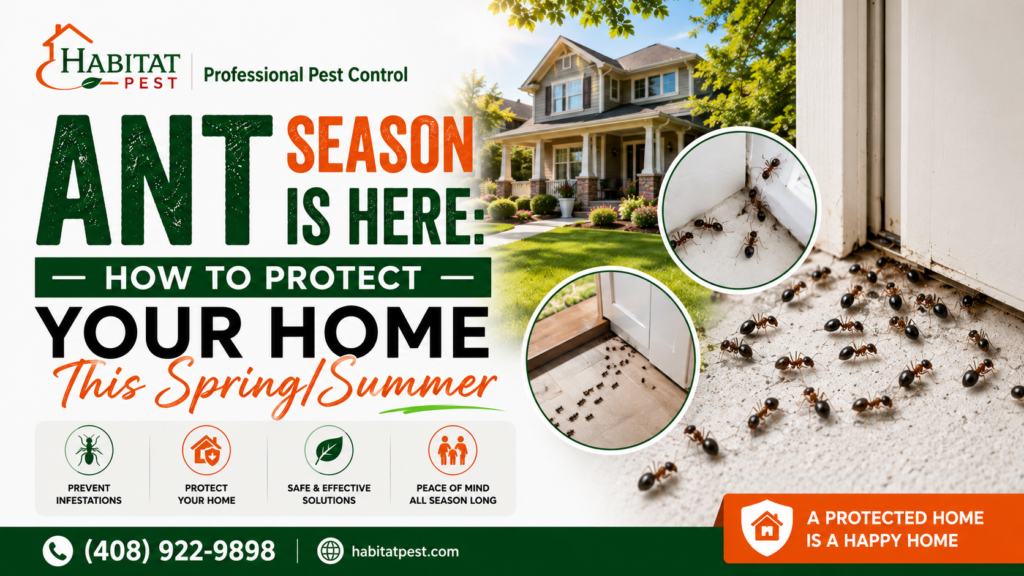
Spring is exciting, but it also brings one unwanted guest: ants. From spotting early signs to sealing entry points and choosing the right treatment, you’ll find practical tips that actually work. If you’re looking for reliable ant control service in San Jose, CA, or just want to handle things yourself, this guide has something for you. Read on to protect your home before the infestation gets out of hand.
Why Spring and Summer Are Peak Ant Season
The moment temperatures rise, ant colonies wake up and get to work. During winter, ants stay underground and slow down. But once spring hits, they start foraging for food and water aggressively. That’s when they find their way into your home. San Jose’s warm climate makes this even worse because ant activity here starts earlier than in colder regions. You might notice the first trail in March and by June, it can turn into a full-blown problem.
The First Signs You Should Never Ignore
Most people notice ants too late. You see one or two in the kitchen and think nothing of it. Next thing you know, there’s a trail running from your pantry to the back door. The first sign is often a small cluster of ants near food sources, sugar spills, or pet bowls. In addition, mud-like dirt piles near walls or in corners can indicate a nest forming inside. If you spot winged ants, that’s a serious red flag. Those are swarmers, and they usually mean a colony is ready to expand. That’s exactly when calling a San Jose ant removal service makes all the difference.
Common Entry Points Ants Use to Get In
Ants don’t need a big opening to enter your home. A crack in the foundation, a gap around a pipe, or a loose window seal is more than enough. They also get in through spaces around door frames and utility lines. For example, the area where your plumbing enters the wall is one of the most common entry spots. Once a scout ant finds a way in and locates food, it leaves a scent trail for the rest of the colony. That’s why you suddenly see hundreds of ants following the same path.
How to Ant-Proof Your Home Before the Season Peaks
Prevention is always easier than treatment. Start by checking the outside of your home for cracks and gaps. Use caulk to seal any openings around windows, doors, and pipes. Next, trim back plants and tree branches that touch your walls or roof because ants often use them as bridges. Keep your kitchen clean and dry, especially under the sink and behind appliances. Store food in sealed containers and never leave crumbs on the counter overnight. These small steps can make a big difference.
Simple ways to reduce ant access:
• Seal gaps around pipes and utility lines
• Fix leaky faucets and keep sinks dry
• Keep trash cans tightly closed and away from the house
• Clear leaf piles or wood stacks near your home’s exterior
• Wipe down counters and sweep floors daily
Different Ants, Different Problems
Not all ants are the same, and the treatment that works for one type might not work for another. In San Jose, the most common ant species include Argentine ants, odorous house ants, and carpenter ants. Argentine ants are small and travel in massive trails. Odorous house ants smell like coconut when crushed, which is a strange but reliable way to identify them. Carpenter ants are the ones you really need to watch for. They don’t eat wood, but they tunnel through it to build nests, which can weaken the structure of your home over time.
DIY Treatments: What Works and What Doesn’t
A lot of homeowners try to handle ants on their own first, and that’s understandable. Store-bought sprays can kill the ants you see, but they rarely reach the queen or the nest. Boric acid baits work better because ants carry the bait back to the colony. Next, diatomaceous earth is another natural option that damages the outer shell of ants and kills them slowly. The problem with most DIY methods is that they treat the symptom, not the source. If the nest isn’t eliminated, the colony just rebuilds. For a small problem caught early, DIY can help. For anything bigger, you really need a professional eye.
When to Call a Professional Ant Control Service
There’s a point where home remedies just aren’t enough. If you’ve tried multiple products and the ants keep coming back, that’s a clear sign. In addition, if you’re seeing ants in multiple rooms, finding nests inside walls, or dealing with carpenter ants, professional help is the smart move. A San Jose ant removal expert can identify the species, locate hidden nests, and use targeted treatments that are safe for your family and pets. Professional treatments also tend to last longer and come with follow-up support. It saves you money in the long run compared to buying product after product.
People Also Ask: Your Ant Questions, Answered
Q1. When does ant season usually start in San Jose, CA?
A1. Ant activity in San Jose typically picks up in late February or March when temperatures start rising. The peak season runs through summer, usually until September or October. Because San Jose has a mild climate, ant problems can sometimes stretch into fall as well.
Q2. Why are ants suddenly appearing in my kitchen?
A2. Ants are always searching for food and moisture. Your kitchen offers both. A small spill, an open fruit bowl, or even a damp sponge can attract scouts. Once they find a food source, they leave a scent trail and bring more ants with them. Cleaning up food spills right away and keeping surfaces dry can help a lot.
Q3. Are ant baits better than ant sprays?
A3. For long-term control, baits work better. Sprays kill ants on contact but don’t reach the colony. Baits are carried back to the nest and shared with other ants, including the queen. That makes them more effective at reducing the overall population over time.
Q4. How do I know if I have carpenter ants or regular ants?
A4. Carpenter ants are usually larger and darker than common house ants. They don’t eat wood, but they hollow it out to nest. Signs include small piles of sawdust-like material near wood surfaces. If you tap on wooden beams and they sound hollow, that’s another warning sign worth taking seriously.
Q5. Is professional ant treatment safe for kids and pets?
A5. Most professional pest control companies use products that are safe once they’ve dried or settled. A good technician will tell you exactly when it’s safe to re-enter treated areas. Always ask about pet-safe and child-safe options before the treatment begins.
Q6. Can ants cause structural damage to my home?
A6. Regular ants don’t damage structures, but carpenter ants can. Over time, their tunneling weakens wood beams and can cause real problems if left untreated. It’s best to catch them early and treat the infestation before the damage becomes costly.
Q7. How long does a professional ant treatment last?
A7. It depends on the treatment type and the size of the infestation. Most professional treatments provide relief for several weeks to a few months. Some services include follow-up visits to make sure the colony has been fully eliminated. Ask your technician about long-term options.
Q8. What attracts ants to my home in the first place?
A8. Ants are drawn to food, moisture, and shelter. Crumbs, spills, leaky pipes, and gaps in your home’s exterior are all invitations. Clutter near walls and dense plants touching your home also give ants easy access. Removing these attractants goes a long way in keeping them out.
Time to Take Back Your Home This Season
Spring is meant to be enjoyed, not spent fighting ant trails across your floors. You’ve learned where ants come from, how they get in, and what you can do to stop them. The key is to act early and stay consistent.
An ant control service in San Jose, CA, is your best option when the problem goes beyond what home remedies can handle. That’s where Habitat Pest Control comes in. We understand the specific ant species that trouble homeowners and use smart, targeted treatments to get rid of them at the source.
Our approach focuses on long-term results, not just quick fixes. This spring, don’t wait for the infestation to grow. Let Habitat Pest Control help you protect your home so you can actually enjoy the season.